

Pledging mutual funds to secure margin for Futures & Options (F&O) trading can be a smart strategy. It allows investors to unlock the value of their holdings without liquidating them. Many investors use stocks and mutual funds as collateral for F&O trading due to their flexibility, making them a popular choice for securing margin for trading while retaining investment exposure. However, many traders mismanage pledged assets, which can lead to unnecessary costs or risks.
Below are five common mistakes to avoid when using mutual funds as collateral:
1. Not maintaining the cash margin limit of 50%

Regulations require that a minimum 50% of your margin requirement come from cash or cash equivalents (like liquid funds) and the remaining from non-cash components like stocks or equity mutual funds. The collateral margin determines how much of your pledged mutual funds can be used to secure margin.
The mistake: Ignoring the minimum cash equivalent margin and relying on pledged mutual funds.
The risk: Brokers charge interest (17–18% p.a.) on shortfall due to not maintaining the minimum cash margin required. Over time, this can eat into your profits.
What to do: Maintain at least 50% of your margin in cash or cash equivalent. If you’ve not maintained 50% of margin in cash equivalent. If you receive a margin call due to non-maintenance of minimum cash requirement, you may need to provide additional cash collateral to maintain your position.
2. Ignoring the impact of haircuts

When mutual funds are pledged, brokers apply a haircut as mandated by exchanges, a percentage reduction in their value to account for market risk. Different types of funds attract different haircut rates (e.g., equity funds: 15–20%, debt funds: 5–10%). The collateral margin is calculated after applying the haircut to your pledged securities, and this determines the maximum margin available for trading.
The mistake: Assuming the entire value of pledged units will count toward the margin.
The risk: You may find yourself under-margined and vulnerable to margin calls if you miscalculate your available collateral.
What to do: Check the haircut percentage for each fund and calculate your effective collateral value accordingly. Miscalculating the value of your pledged securities can result in insufficient collateral margin and trigger a margin call.
3. Pledging high-volatility or low-liquidity funds

Not all mutual funds are suitable for pledging. Funds with high volatility or low liquidity may have higher haircuts or may not be accepted at all.
The mistake: Pledging sectoral or small-cap funds without understanding their risk profile.
The risk: You might not get sufficient margin, or worse, be forced to pledge more units to meet the required value.
What to do: Prefer large-cap or debt mutual funds, which are more stable and usually attract lower haircuts. When considering funds for pledging, select a mutual fund scheme that matches your investment horizon, risk appetite, and risk tolerance.
4. Failing to monitor NAV and margin status of pledged mutual funds
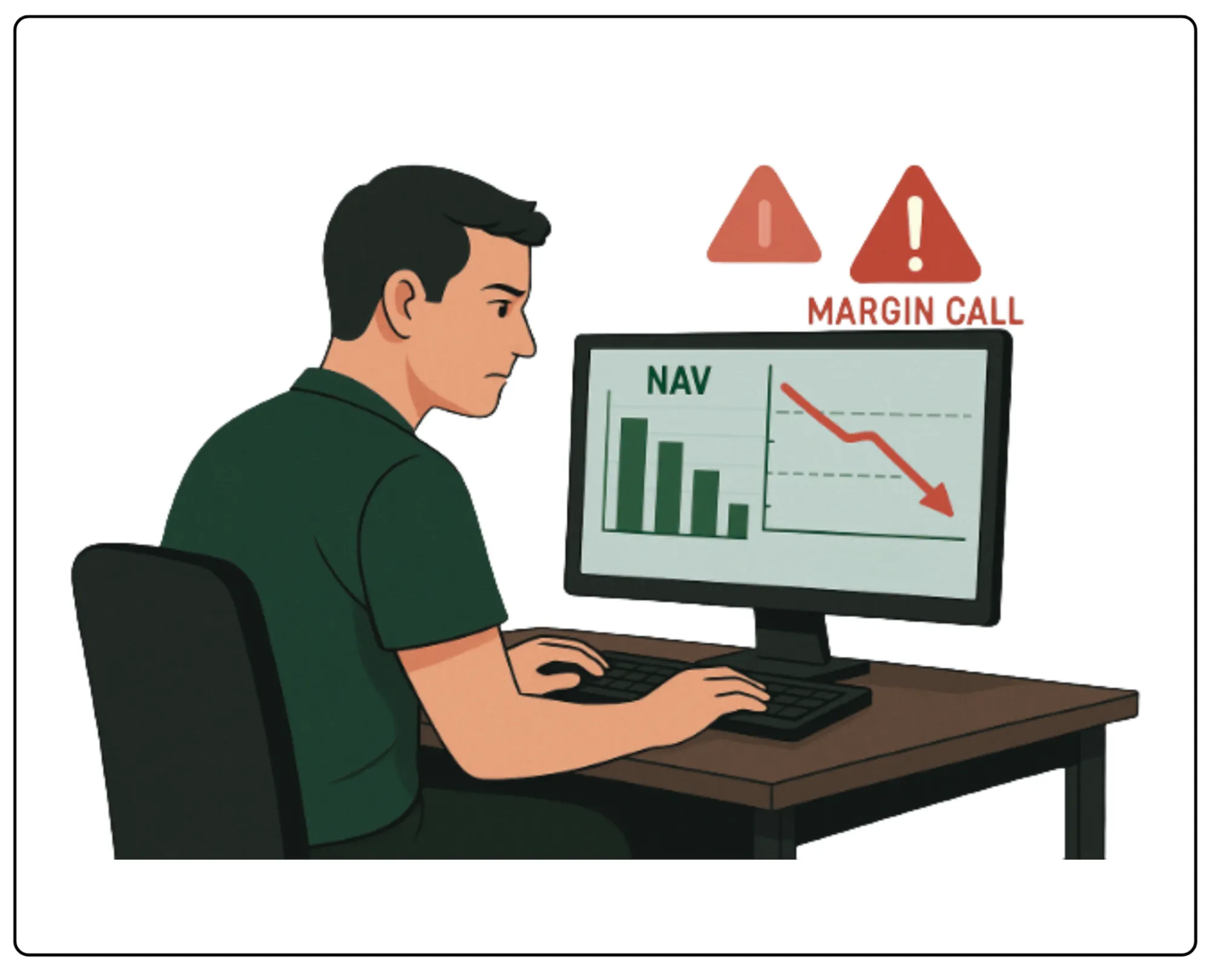
When mutual funds are pledged for margin in F&O trading, their Net Asset Values (NAVs) fluctuate daily based on market movements. A drop in NAV reduces the value of the pledged collateral, which can impact your available margin.
The mistake: Not tracking the NAV of pledged mutual funds or monitoring margin availability in your F&O account.
The risk: A decline in NAV can lead to a shortfall in margin requirements. This may result in margin calls or, if unaddressed, forced square-off of your open F&O positions, potentially at a loss.
What to do: Monitor the NAVs of your pledged funds regularly and maintain a cash margin buffer to cushion against market volatility. Subscribe to Tradejini alerts for margin status and top up collateral promptly if needed to avoid disruptions in your F&O trading activity.
5. Assuming pledged units are unrestricted

Even though you retain ownership of pledged mutual funds, you cannot redeem or switch them until the margin obligation is cleared. This is because mutual funds work as a margin for trading. When you pledge your units, a lien is placed on them as collateral, and the restriction remains until the trading position is fully closed and MTM loss if any fully paid.
The mistake: Attempting to withdraw or reallocate pledged funds without understanding the lien status.
The risk: Failed transactions or unintended liquidation if obligations aren’t settled first.
What to do: Treat pledged units as temporarily locked. Plan your liquidity needs accordingly and unpledge them before switching or redeeming.
Building a diversified investment portfolio
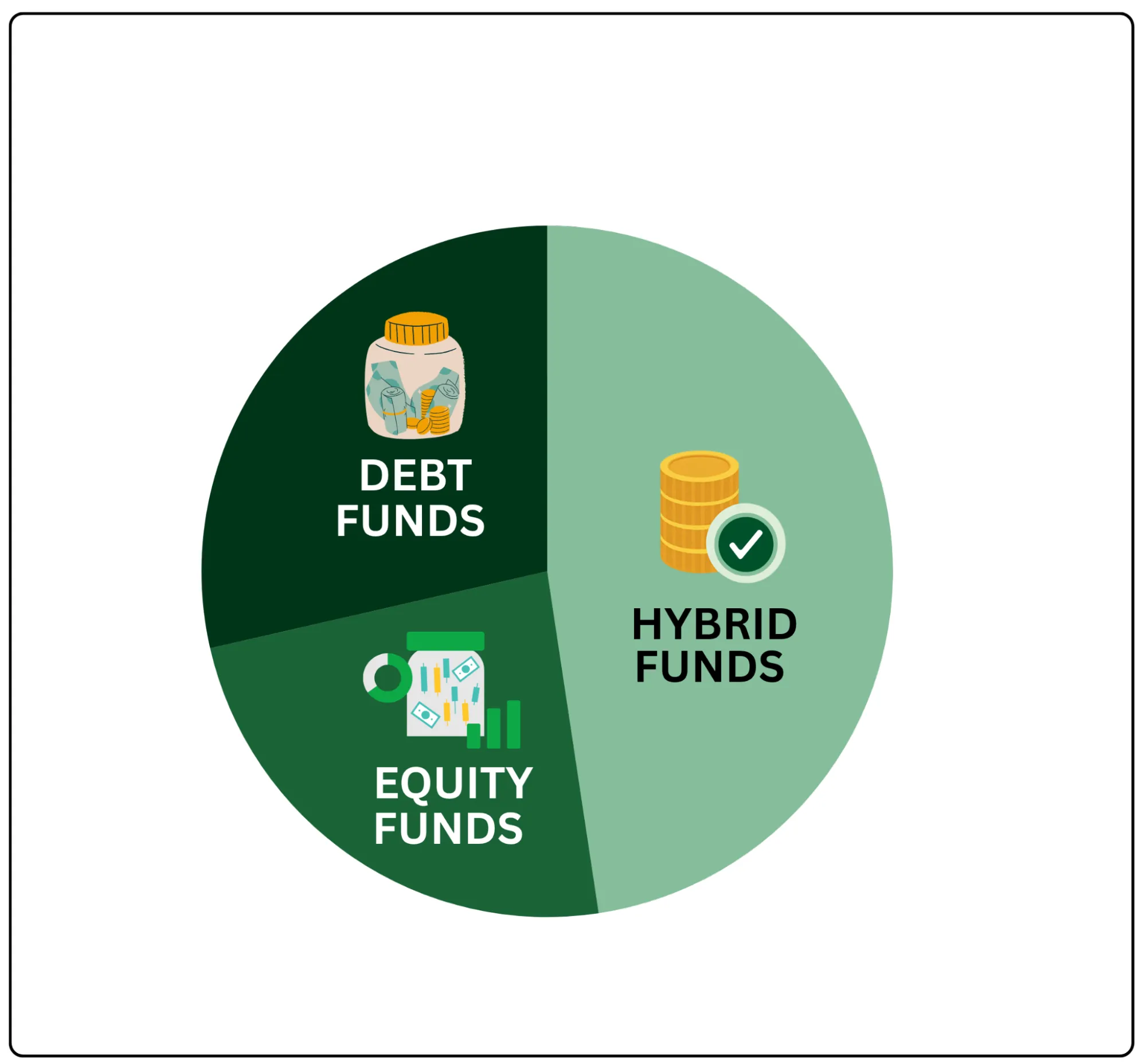
Creating a diversified investment portfolio is one of the most effective ways to manage risk and enhance returns in mutual fund investments. By spreading your investments across different asset classes, such as equity funds, debt funds, and hybrid funds, you can reduce the impact of market fluctuations on your overall portfolio. Diversification helps ensure that poor performance in one asset class is balanced by better performance in another, making your investment journey smoother and more resilient to market volatility.
A systematic investment plan (SIP) is a practical tool for building a diversified portfolio. By investing a fixed amount of money at regular intervals, you can steadily accumulate units in various mutual fund schemes, regardless of short-term market swings. This disciplined approach not only helps you take advantage of rupee cost averaging but also keeps your investment portfolio aligned with your long-term financial goals, whether you’re aiming for wealth creation, retirement planning, or income generation. Ultimately, diversification is essential for investors who want to minimize risk and maximize gains from their mutual fund investments.
Avoiding impulse decisions in mutual fund investments
Impulse decisions are one of the most common mistakes investors make with mutual fund investments. Acting on emotions, such as fear during market downturns or greed during rallies, can lead to poor investment choices, unnecessary losses, or missed opportunities for growth. Instead of reacting to short-term market volatility, investors should focus on their long-term financial goals and stick to a well-defined investment approach.
Adopting a systematic investment plan can help you avoid the pitfalls of market timing and emotional investing. By committing to regular, disciplined investments, you can build a robust portfolio that weathers market ups and downs. It’s essential to review your investment strategy periodically, but avoid making hasty decisions based on temporary market movements. Staying patient and consistent with your mutual fund investments will help you achieve your financial objectives while minimizing risk.
Conclusion
Pledging mutual funds for F&O trading offers flexibility and capital efficiency, but it comes with its own set of responsibilities. Understanding the rules around margin requirements, haircuts, and collateral restrictions is crucial to avoid costly mistakes. By carefully selecting the right funds, maintaining adequate cash margins, monitoring NAVs, and staying informed about margin status, traders can use pledged mutual funds effectively while managing their risks. A disciplined, informed approach not only protects your trading capital but also helps you stay aligned with your long-term financial goals.
Disclaimer: The information provided in our blogs is for informational purposes only and should not be construed as financial, investment, or trading advice. Trading and investing in the securities market carries risk. Always conduct your own research and consult with a qualified financial advisor before making any investment decisions. Past performance is not indicative of future results. Copyrighted and original content for your trading and investing needs.
©️ 2025 — Tradejini. All Rights Reserved.